

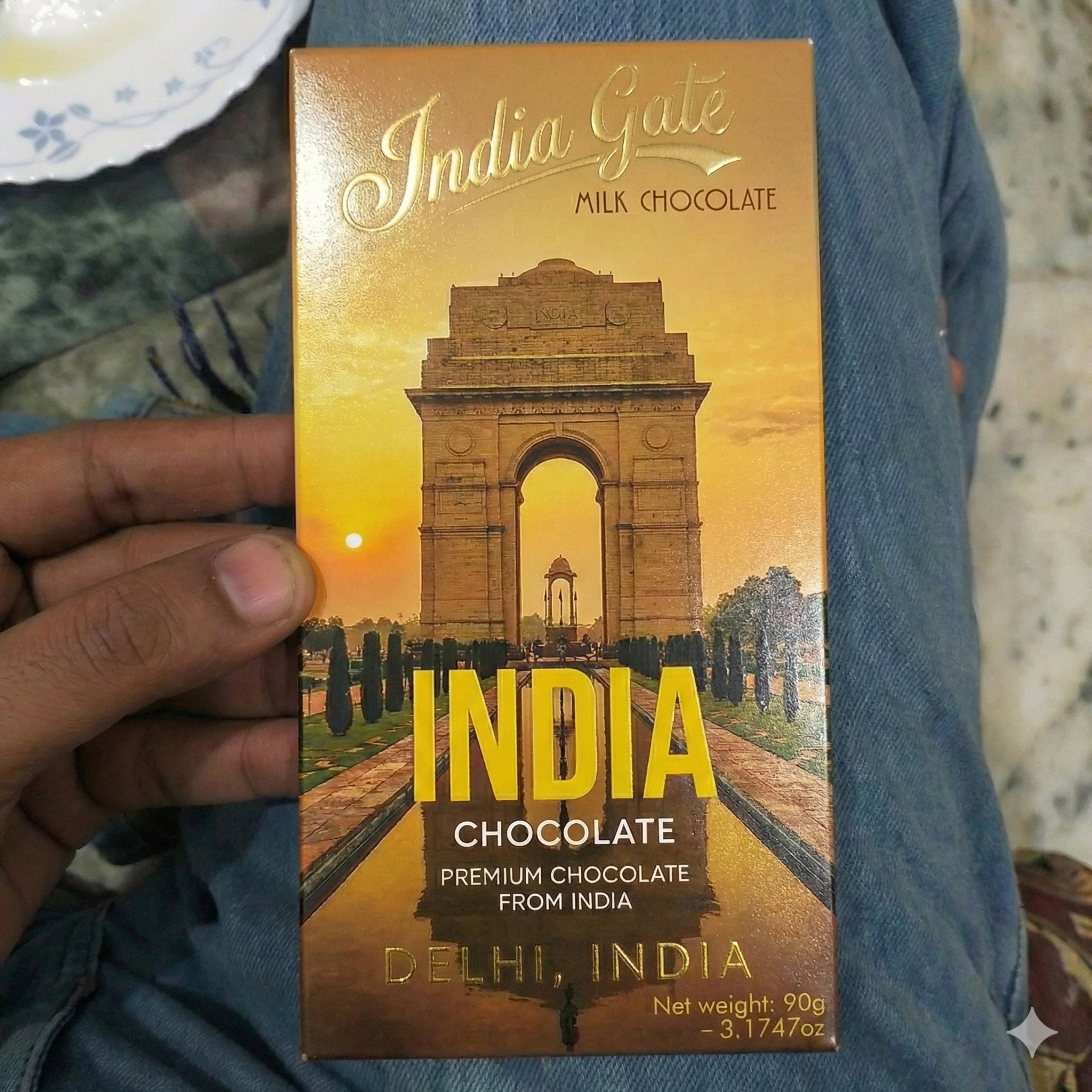
In recent years, the global chocolate conversation has expanded beyond traditional powerhouses. Social media trends, niche formulations, and regional experimentation have pushed lesser-known brands into international view—most notably the rise of so-called “Dubai chocolate,” which turned a regional product style into a global curiosity almost overnight.
Against this backdrop, India Chocolate represents a similar, early-stage ambition emerging from India: a small brand exploring how localized chocolate-making can resonate far beyond its domestic market.
The Shift from Mass Chocolate to Story-Driven Products
Global consumers are increasingly drawn to chocolate that offers more than sweetness—products with a story, a formulation idea, or a regional identity. Dubai chocolate gained traction not because of scale, but because of novelty, ingredient positioning, and online visibility.
India Chocolate’s approach reflects this same shift. Rather than competing head-on with established multinational brands, the company is experimenting with custom chocolate formats, functional ingredients, and small-batch production concepts that align with evolving global tastes.
Why India Is Becoming Part of the Global Chocolate Conversation
India has traditionally been viewed as a chocolate consumption market rather than a source of innovation. That perception is gradually changing as newer brands begin to explore:
- Dark chocolate and cocoa-forward profiles
- Functional ingredients such as caffeine and botanicals
- Custom portioning and formulation control
- Packaging designed for modern, international audiences
India Chocolate’s development phase reflects these trends, positioning the brand less as a mass producer and more as a concept-driven chocolate maker.
Competing on Concept, Not Scale
Unlike established international players, small brands do not compete on volume or distribution. Their leverage lies in experimentation speed and conceptual clarity.
India Chocolate is currently exploring contract manufacturing models, ingredient sourcing standards, and compliance-focused formulations that could allow it to serve both domestic and export-oriented markets. This mirrors how other regional chocolate styles—once considered niche—have crossed borders through digital visibility and curiosity-driven demand.
The Role of Global Attention in Modern Food Brands
In today’s food economy, global attention often precedes physical presence. Products gain visibility through discussion, inquiry, and replication long before they reach supermarket shelves.
Industry observers note that the rise of Dubai chocolate followed this exact pattern: limited availability, high curiosity, and widespread online discussion. Brands like India Chocolate appear to be navigating a similar early-stage path—testing formulations and production readiness while gauging international interest.
A Measured Path Forward
Rather than positioning itself as a disruptive force, India Chocolate is taking a measured approach—prioritizing formulation accuracy, regulatory understanding, and long-term viability. Its journey highlights how modern food brands can aim for global relevance without immediate scale, relying instead on product intent and market timing.
As global consumers continue to explore chocolates beyond traditional origins, brands emerging from markets like India may increasingly find themselves part of that conversation.
This article is published by Times of Britain as part of its coverage on emerging brands and global consumer trends.